Comprehensive Pain Relief After an Auto Accident
Auto accidents can leave more than just dents in your vehicle—they can leave lasting damage to your muscles, joints, and spine. Even minor collisions can cause significant musculoskeletal (MSK) injuries, from whiplash to herniated discs, torn ligaments, and compression fractures. At Quantum Pain & Spin Injury, patients involved in auto accidents receive personalized, comprehensive care focused on relieving pain, restoring mobility, and supporting long-term healing.
Let’s take a closer look at the advanced procedures and treatments available at an MSK pain management clinic and how they help accident victims recover from painful injuries.
Epidural Steroid Injections
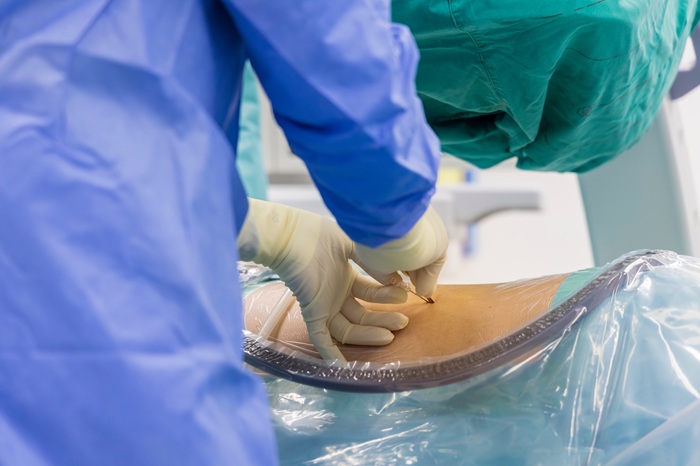
Epidural steroid injections are a cornerstone treatment for auto accident injuries involving spinal nerve irritation, such as herniated discs or spinal stenosis. The procedure involves injecting a powerful anti-inflammatory steroid into the epidural space around the spinal nerves to reduce inflammation and relieve radiating pain, such as sciatica or neck pain with arm numbness. These injections are especially effective in the weeks and months following an accident when inflammation is at its peak.
Bursa Injections
Auto accidents often result in joint trauma that leads to bursitis—painful inflammation of the small fluid-filled sacs (bursae) that cushion your joints. Bursa injections involve administering corticosteroids directly into the affected bursa to reduce swelling and pain, often in the shoulders, hips, or knees. These injections help patients regain comfortable movement and participate in physical therapy more effectively.
Trigger Point Injections
Whiplash and other soft tissue injuries can lead to the development of trigger points—tight knots in muscles that cause referred pain. Trigger point injections deliver a small amount of anesthetic, sometimes combined with a corticosteroid, directly into the painful muscle knots. This treatment helps relax the muscle, reduce pain, and restore range of motion, particularly in the neck, shoulders, and upper back.
Facet Joint Injections
Facet joints are small stabilizing joints located along the spine. In an auto accident, these joints can become irritated or inflamed, causing localized back or neck pain that worsens with movement. Facet joint injections involve injecting a combination of anesthetic and steroid medication into the affected joint, providing both diagnostic information and therapeutic relief. If effective, this procedure may be followed by radiofrequency ablation for longer-lasting pain control.
Kyphoplasty
In severe accidents, spinal compression fractures can occur—especially in older adults or those with weakened bones. Kyphoplasty is a minimally invasive surgical procedure used to treat these fractures. It involves inserting a small balloon into the fractured vertebra, inflating it to restore height, and filling the cavity with bone cement to stabilize the spine. This procedure can significantly reduce pain, prevent deformity, and restore mobility.
Peripheral Nerve Blocks
Peripheral nerve blocks are targeted injections of anesthetic and steroid around specific nerves to block pain signals from reaching the brain. They are commonly used for injuries involving nerve impingement or neuropathic pain, such as in the shoulders, arms, or legs. In accident-related injuries, nerve blocks can be a powerful tool for interrupting pain cycles and improving comfort.
Radiofrequency Ablation (RFA)
For patients who experience lasting pain in the spine after an accident—especially when facet joints are involved—radiofrequency ablation offers a longer-term solution. RFA uses heat generated by radio waves to temporarily disable the sensory nerves that transmit pain signals from the affected joints. Relief from RFA can last six months or more, making it a good option for patients who responded well to diagnostic injections but require extended relief.
Spinal Cord Stimulation
In cases of chronic, treatment-resistant pain, spinal cord stimulation (SCS) may be considered. SCS involves implanting a small device near the spinal cord that sends mild electrical impulses to interrupt pain signals before they reach the brain. Patients can control the stimulation with a handheld device, giving them flexibility in managing their pain levels. This procedure is often used for patients with nerve damage or those who haven’t responded to other interventions.
Additional Supportive Treatments
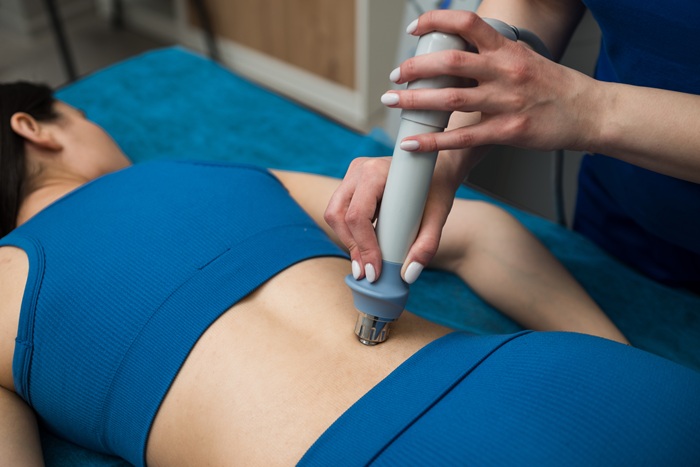
In addition to interventional procedures, a well-rounded MSK pain management clinic offers a range of supportive therapies to optimize recovery after an auto accident:
Bracing
Spinal, cervical, knee, or wrist braces may be prescribed to stabilize injured joints or the spine during the healing process. Bracing helps reduce movement that could worsen injuries, provides support for weak or painful areas, and can help improve posture and alignment.
Regenerative Medicine
Regenerative therapies such as platelet-rich plasma (PRP) injections and stem cell therapy are cutting-edge treatments that promote the body’s natural healing process. These therapies are especially helpful for soft tissue injuries and joint damage caused by auto accidents. They can enhance recovery, reduce inflammation, and potentially prevent chronic pain conditions from developing.
Orthopedic Surgery
When conservative and interventional treatments are not enough, patients may be referred for orthopedic surgery. This may include procedures to repair torn ligaments, fix broken bones, decompress nerves, or address severe joint damage. A pain management clinic with orthopedic partnerships ensures a smooth transition for patients who need surgical solutions.
A Collaborative, Patient-Centered Approach
What sets an MSK pain management clinic apart is its commitment to treating the whole patient—not just the injury. Each treatment plan is tailored to the individual’s condition, severity of pain, and long-term goals. By combining interventional procedures, bracing, regenerative medicine, and surgical care when needed, patients receive comprehensive support at every stage of their recovery.
For auto accident victims, getting care from a specialized MSK clinic means faster pain relief, improved function, and a reduced risk of chronic pain or disability. Whether the injury involves the spine, joints, or nerves, the goal is the same: to restore your quality of life and help you feel like yourself again.