
Spinal Cord Stimulation
Advanced Pain Relief for Accident-Related Injuries
At Quantum Pain & Spine Injury Clinic, we specialize in providing comprehensive pain management solutions for patients who have suffered from car accidents and other traumatic injuries. One of the most effective and advanced treatments we offer is spinal cord stimulation (SCS), a procedure that has brought significant relief to many of our patients dealing with chronic pain following an accident. If you’re struggling with persistent pain that hasn’t responded to other treatments, spinal cord stimulation may be the solution you’ve been searching for.

Understanding Spinal Cord Stimulation
Spinal cord stimulation is a cutting-edge therapy designed to alleviate chronic pain by sending mild electrical pulses to the spinal cord. These pulses interfere with the pain signals before they reach the brain, effectively reducing the perception of pain. This treatment is particularly beneficial for individuals who suffer from nerve-related pain, which is common in injuries sustained from auto accidents, falls, or other types of accidents.
The SCS system consists of a small device, similar to a pacemaker, that is implanted under the skin. Thin wires, called leads, are placed near the spinal cord to deliver the electrical pulses. The entire system is controlled by a remote, allowing patients to adjust the intensity of the stimulation based on their level of discomfort.
How Spinal Cord Stimulation Helps Accident Victims
Accidents, especially auto accidents, can result in severe injuries that lead to long-term, chronic pain. Conditions such as whiplash, spinal fractures, herniated discs, and nerve damage are common outcomes of these traumatic events. Traditional pain management methods, including medications and physical therapy, may not always provide sufficient relief. This is where spinal cord stimulation can play a crucial role.
- Effective Pain Relief: For many patients, spinal cord stimulation offers a significant reduction in pain, allowing them to regain control of their lives. By directly targeting the spinal cord, the device can help manage pain from various accident-related injuries, including neuropathic pain, complex regional pain syndrome (CRPS), and radiculopathy.
- Minimally Invasive Procedure: Unlike more invasive surgical options, spinal cord stimulation is a minimally invasive procedure. The leads are inserted through a small incision, and the device itself is implanted under the skin. This means a shorter recovery time and fewer risks compared to traditional surgery.
- Adjustable and Reversible: One of the key advantages of spinal cord stimulation is its adjustability. Patients can fine-tune the stimulation to meet their pain levels, ensuring maximum comfort. Additionally, if the treatment doesn’t provide the desired results, the device can be removed, making it a reversible option.
- Improved Quality of Life: Chronic pain can take a toll on every aspect of life, from physical health to emotional well-being. By reducing pain levels, spinal cord stimulation allows patients to participate in daily activities, work, and social engagements that may have been difficult or impossible due to pain.
The Process: From Evaluation to Treatment
Our approach to spinal cord stimulation is comprehensive and patient-centered. We begin with a thorough evaluation to determine if SCS is the right option for you. This includes a detailed review of your medical history, imaging studies, and a discussion of your pain experiences and previous treatments.
- Trial Phase: Before the permanent device is implanted, patients undergo a trial phase where temporary leads are placed. This allows both the patient and the physician to assess the effectiveness of the stimulation in managing pain. The trial typically lasts about a week, giving patients a clear indication of how well the therapy works for them.
- Permanent Implantation: If the trial is successful, the next step is the permanent implantation of the SCS system. This is a minimally invasive procedure performed on an outpatient basis, meaning most patients can return home the same day. Our skilled team of pain management specialists ensures that the procedure is as comfortable and stress-free as possible.
- Follow-Up and Support: After the procedure, we provide ongoing support to help you get the most out of your spinal cord stimulation system. This includes regular follow-up appointments to adjust the device settings and address any concerns.
The Procedure: What to Expect
At our clinic, your comfort and safety are our top priorities. Sacroiliac joint injections are performed in a controlled, sterile environment using fluoroscopy (X-ray guidance) to ensure the medication is accurately placed within the joint.
The procedure is typically quick, lasting about 20-30 minutes. You may experience some discomfort during the injection, but the local anesthetic helps to minimize pain. After the procedure, you’ll be monitored for a short time before being allowed to go home.
Many patients experience significant pain relief within a few days, though it may take up to a week for the full effects to be felt. Depending on your condition, additional injections may be recommended as part of a comprehensive pain management plan.
Why Choose Us?
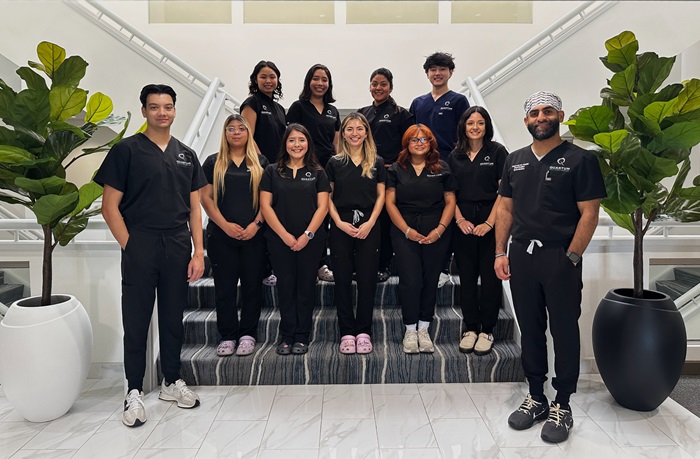
At Quantum Pain & Spine Injury, we understand the complexities of pain management, especially for patients who have suffered from accidents. Our team of experienced physicians and specialists is dedicated to providing personalized care that addresses your unique needs. We use the latest technologies and treatment modalities, like spinal cord stimulation, to help our patients find relief and improve their quality of life
Take the First Step Towards Pain Relief
If you’re suffering from pain due to an accident-related injury, joint injections may be the solution you need. Contact our clinic today to schedule a consultation and take the first step toward reclaiming your life from pain.