
Concussion & Head Injury Triage
Specialized Care for Brain Injuries
Hit your head in a car accident, sports collision, work fall, or gym incident? Even if you didn’t lose consciousness, you may have a concussion. At Quantum Pain & Spine Injury, our neurosurgeons and concussion specialists provide same-day evaluations and advanced diagnostic testing to assess brain injury and create a personalized recovery plan.
Concussions are traumatic brain injuries that can have delayed symptoms and serious consequences if not properly managed. Our multidisciplinary team uses evidence-based protocols to help you recover safely and completely.
Concussion Warning Signs & Symptoms
Concussion symptoms may appear immediately after impact or develop hours to days later. Seek evaluation if you experience any of these symptoms following a head injury:
Physical Symptoms:
- Headache or pressure in the head
- Dizziness or balance problems
- Nausea or vomiting
- Sensitivity to light (photophobia)
- Sensitivity to noise (phonophobia)
- Blurred or double vision
- Ringing in the ears (tinnitus)
- Fatigue or drowsiness
- Neck pain or stiffness
Cognitive Symptoms:
- Confusion or feeling “foggy”
- Difficulty concentrating or focusing
- Memory problems (can’t remember the injury or events after)
- Slowed thinking or reaction time
- Difficulty processing information
- Trouble making decisions
Emotional & Behavioral Symptoms:
- Irritability or mood swings
- Increased anxiety or nervousness
- Sadness or depression
- Feeling more emotional than usual
- Personality changes noticed by family or friends
Sleep Disturbances:
- Sleeping more than usual
- Sleeping less than usual
- Difficulty falling asleep
- Drowsiness during the day
When to Seek Emergency Care Immediately
Go to the emergency room right away if you experience:
- Loss of consciousness (even briefly)
- Repeated vomiting (more than once)
- Severe, worsening headache that doesn’t respond to medication
- Seizures or convulsions
- Weakness, numbness, or inability to move arms or legs
- Slurred speech or inability to speak clearly
- One pupil larger than the other
- Increasing confusion or agitation
- Loss of consciousness after initially seeming fine
- Clear fluid or blood draining from nose or ears
- Inability to recognize people or places
For all other concussion symptoms, schedule a same-day evaluation with our concussion specialists.
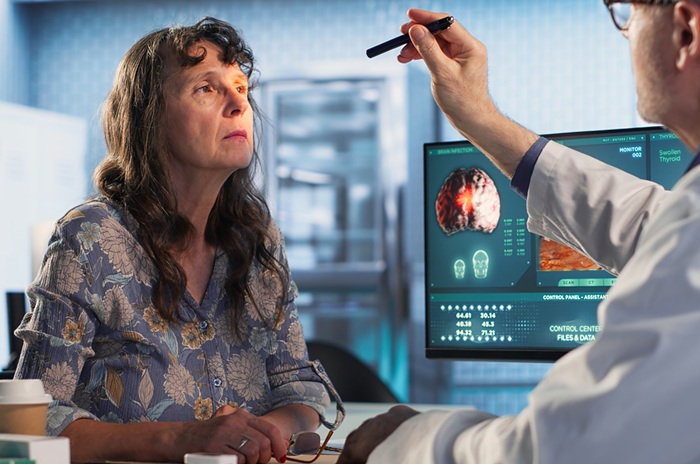
How We Diagnose Concussions
Our comprehensive concussion evaluation includes:
1. Detailed Injury History
We’ll ask about the mechanism of injury, whether you lost consciousness, immediate symptoms, and how symptoms have progressed since the injury.
2. Neurological Examination
Our neurosurgeons assess:
- Mental status and cognitive function
- Balance and coordination
Eye movement and pupil response - Reflexes and nerve function
- Strength and sensation
- Memory and concentration
3. Concussion Testing
We use validated screening tools to measure:
- Cognitive processing speed
- Memory and recall
Attention and concentration - Reaction time
- Balance and vestibular function
- Visual tracking and eye coordination
4. Advanced Imaging (When Indicated)
- CT scan to rule out skull fractures, bleeding, or swelling in the brain
- MRI for detailed brain tissue evaluation if symptoms persist or worsen
- Functional imaging to assess brain activity patterns in complex cases
5. Vestibular & Vision Assessment
Many concussion patients experience dizziness and visual problems. We evaluate:
- Inner ear function and balance systems
- Eye tracking and convergence
- Spatial orientation
- Coordination between visual and vestibular systems
Treatment & Recovery Protocols
Concussion recovery requires a carefully managed approach. Rest alone is not enough—active rehabilitation under medical supervision produces better outcomes.
Acute Phase (First 24-48 Hours)
Physical & Cognitive Rest
- Limit screen time (phones, computers, TV)
- Avoid reading, studying, or mentally demanding tasks
- Rest in a quiet, dimly lit environment
- Avoid physical exertion
- No driving if symptoms impair focus or reaction time
Symptom Monitoring
We’ll provide clear guidelines on which symptoms require immediate medical attention and when to follow up.
Gradual Return-to-Activity Protocol
Our team creates a staged recovery plan tailored to your symptoms:
Stage 1: Light Activity
- Short walks, gentle stretching
- Gradual reintroduction of daily tasks
- Limited screen time (5-15 minutes at a time)
Stage 2: Moderate Activity
- Increase aerobic activity (stationary bike, swimming)
- Resume work or school at reduced hours with accommodations
- Structured cognitive exercises under supervision
Stage 3: Sport-Specific or Work-Specific Training
- Non-contact skill drills for athletes
- Full workday with breaks for office workers
- Progressive loading for physical jobs
Stage 4: Full Return
- Clearance for contact sports, full work duties, and all activities
- Only after complete symptom resolution and medical clearance
Advanced Concussion Therapies
- Transcranial Magnetic Stimulation (TMS): Non-invasive brain stimulation that can improve cognitive function, reduce headaches, and accelerate recovery in persistent concussion cases.
- Vestibular Rehabilitation Therapy: Specialized physical therapy for balance, dizziness, and coordination problems caused by concussion.
- Vision Therapy: Targeted exercises to restore normal eye tracking, focus, and visual processing after head injury.
- Cognitive Rehabilitation: Structured exercises to improve memory, attention, processing speed, and executive function.
- Interventional Pain Procedures
For persistent post-concussion headaches, we offer nerve blocks, trigger point injections, and other minimally invasive treatments. - Behavioral Health Support: Psychiatrists provide therapy and medication management for anxiety, depression, and emotional challenges that often accompany concussion recovery.

Post-Concussion Syndrome
Some patients experience symptoms lasting weeks or months after injury. This is called post-concussion syndrome, and it requires specialized care.
Common persistent symptoms:
- Chronic headaches
- Ongoing dizziness or vertigo
- Difficulty concentrating or “brain fog”
- Memory problems
- Sleep disturbances
- Mood changes or irritability
- Sensitivity to light and noise
Our approach to post-concussion syndrome:
We combine multiple treatment modalities—including TMS, vestibular therapy, vision therapy, cognitive rehabilitation, and interventional pain management—to address persistent symptoms and restore quality of life.
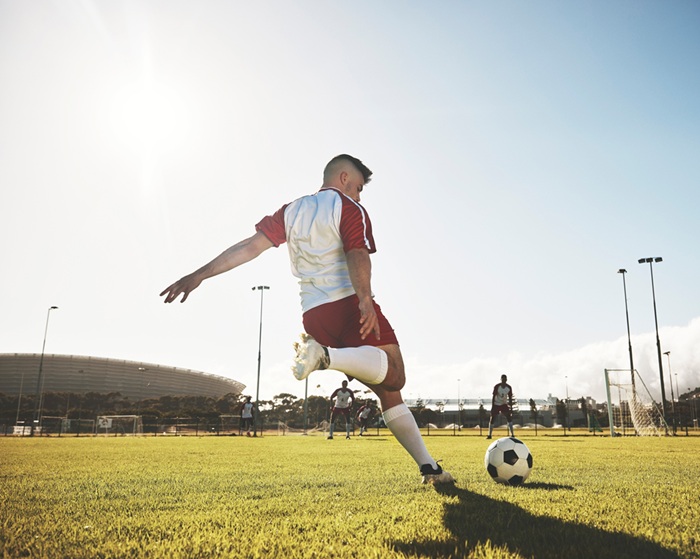
Return-to-Sport Clearance
Athletes must be medically cleared before returning to contact sports or high-risk activities. Our protocol includes:
- Complete resolution of symptoms at rest and during exertion
- Normal neurological exam and cognitive testing
- Successful completion of graduated return-to-play protocol
- Written clearance from our neurosurgeon or concussion specialist
We do not clear athletes who:
- Still have symptoms during physical or cognitive exertion
- Have not completed the full stepwise return protocol
- Have a history of multiple concussions without adequate recovery time
Same-Day Appointments Available
If you’ve had a head injury in the last 48 hours to two weeks and are experiencing symptoms, don’t wait. We offer same-day appointments for concussion evaluation and testing.
Frequently Asked Questions
Do I need to have lost consciousness to have a concussion?
No. Most concussions do not involve loss of consciousness. You can have a significant brain injury even if you never blacked out.
How long does concussion recovery take?
Most concussions resolve within 7-14 days with proper management. However, recovery time varies based on injury severity, age, concussion history, and individual factors. Some patients recover in days; others may take weeks or months.
Can I go to sleep after hitting my head?
Yes, but someone should check on you every 2-3 hours for the first 24 hours to ensure symptoms aren’t worsening. If symptoms get worse during sleep or upon waking, seek emergency care immediately.
When can I return to work or school?
Return to cognitive work should be gradual. Many patients benefit from reduced hours, frequent breaks, and accommodations (extra time on tasks, reduced screen time, quiet workspace) until symptoms fully resolve.
When can I drive again?
Not until your reaction time, focus, and decision-making have returned to normal. Driving with concussion symptoms is dangerous. Ask your doctor for clearance.
What if I've had multiple concussions?
A history of multiple concussions increases your risk of prolonged recovery, post-concussion syndrome, and long-term brain health problems. You need specialized evaluation and a more conservative return-to-activity protocol.
Can I take pain medication for concussion headaches?
Acetaminophen (Tylenol) is generally safe. Avoid ibuprofen (Advil, Motrin) and aspirin in the first 24-48 hours, as they can increase bleeding risk. Always ask your doctor before taking medication.
What activities should I avoid during recovery?
Avoid contact sports, heavy lifting, activities with fall risk, alcohol, and anything that makes symptoms worse. Limit screen time, bright lights, loud environments, and mentally demanding tasks.
What if my symptoms aren't getting better?
If symptoms persist beyond two weeks or worsen over time, you may have post-concussion syndrome or a more serious injury. Schedule a follow-up evaluation for advanced testing and treatment options.
Do I need imaging for every concussion?
Not always. Imaging is ordered when there’s concern for skull fracture, brain bleeding, or structural injury. Most concussions are diagnosed clinically through history, symptoms, and neurological exam.
Can concussions cause long-term problems?
Yes, especially if not properly managed or if you suffer repeat concussions before full recovery. Long-term effects can include chronic headaches, memory problems, mood disorders, and increased risk of neurodegenerative diseases.
Is it safe to exercise with a concussion?
Light aerobic exercise (walking, stationary bike) is often beneficial once initial rest period is complete—but only under medical supervision and as part of a graduated return-to-activity plan. Never push through worsening symptoms.