
Pain & Injury Triage
Expert Evaluation for Acute Musculoskeletal Pain
Experiencing pain after a car accident, work injury, sports collision, or gym incident? Don’t wait for symptoms to worsen. At Quantum Pain & Spine Injury, our multidisciplinary team provides same-day evaluations to diagnose the source of your pain and get you started on effective treatment immediately.
Acute pain after an injury is your body’s warning system. Whether it’s neck pain, back pain, shoulder pain, joint pain, or radiating nerve pain, early intervention can prevent chronic issues and speed your recovery.
Common Pain Symptoms After Acute Injuries
If you’re experiencing any of these symptoms following a recent injury, you should be evaluated by a pain management specialist:
Pain & Musculoskeletal Injuries
Neck & Upper Body Pain:
- Stiff neck or limited range of motion
- Sharp or aching neck pain
- Pain radiating into shoulders, arms, or hands
- Headaches at the base of the skull
- Difficulty holding your head up for long periods
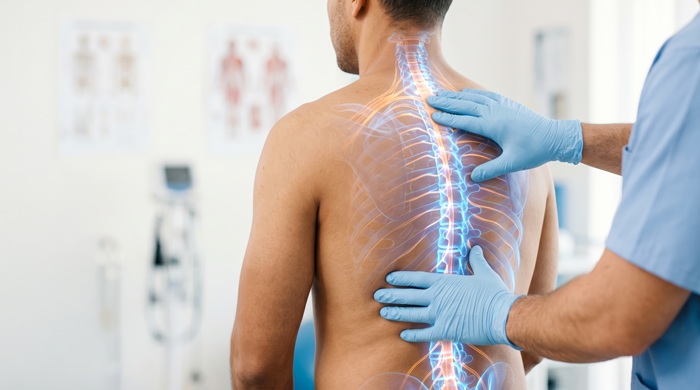
Back & Spine Pain:
- Lower back pain or stiffness
- Mid-back pain between shoulder blades
- Pain that worsens with movement, bending, or lifting
- Muscle spasms or tightness
- Difficulty standing upright or walking
Nerve-Related Pain:
- Shooting or electric pain down arms or legs (radiculopathy)
- Numbness, tingling, or “pins and needles” sensation
- Weakness in arms, hands, legs, or feet
- Sciatica (pain radiating from lower back down the leg)
- Burning sensation along nerve pathways
Joint & Extremity Pain:
- Shoulder pain or reduced shoulder mobility
- Knee pain, swelling, or instability
- Wrist, hand, elbow, or ankle pain
- Hip or groin pain
- Joint stiffness or clicking/popping sensations
General Warning Signs:
- Pain that is getting worse instead of better
- Pain that interferes with sleep
- Swelling, bruising, or visible deformity
- Inability to bear weight or use the injured area
- Pain that doesn’t respond to over-the-counter medication
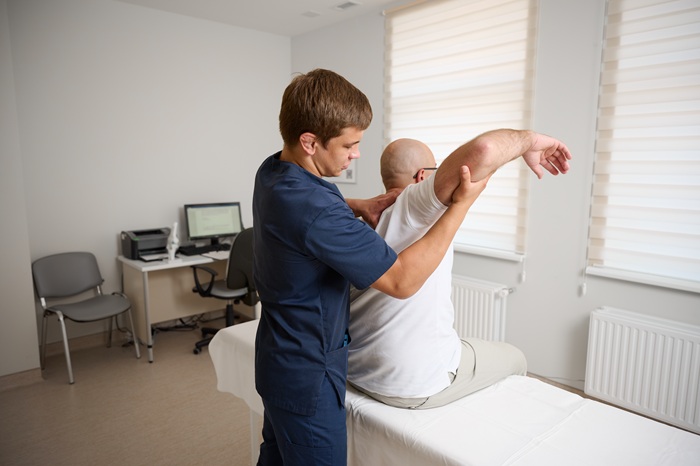
How We Diagnose Your Injury
When you come in for a pain evaluation, our team follows a comprehensive diagnostic process:
1. Detailed Medical History
We’ll ask about the mechanism of injury (how it happened), when symptoms started, what makes pain better or worse, and any previous injuries or conditions.
2. Physical Examination
Our pain management physicians and orthopedic specialists will assess:
- Range of motion and flexibility
- Strength and muscle function
- Tenderness, swelling, or deformity
- Nerve function and reflexes
- Posture and alignment
- Gait and movement patterns
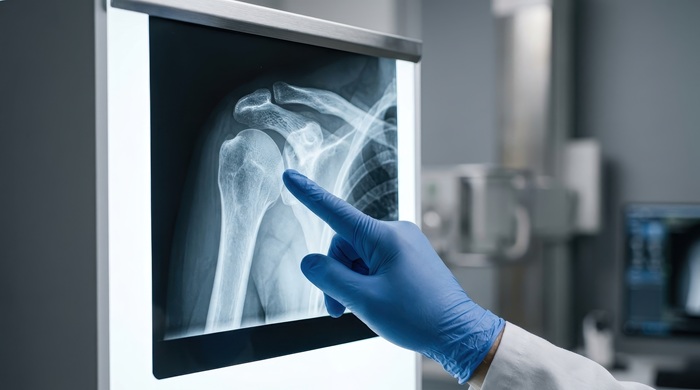
3. Diagnostic Imaging (When Needed)
We coordinate on-site or same-day imaging to visualize the injury:
- X-rays for bone fractures, alignment issues, or joint damage
- MRI scans for soft tissue injuries, disc herniations, ligament tears, or nerve compression
- CT scans for complex fractures or detailed bone assessment
- Ultrasound for real-time visualization of tendons, muscles, and fluid
4. Specialized Testing
- Nerve conduction studies for suspected nerve damage
- Functional movement assessment
- Strength and stability testing
Treatment Options for Acute Pain
Once we’ve diagnosed the source of your pain, we create a personalized treatment plan. Our goal is to relieve pain, restore function, and prevent long-term complications.
Non-Invasive Treatments
- Shockwave Therapy: Advanced acoustic wave therapy that accelerates healing in tendons, ligaments, and muscles by stimulating blood flow and tissue repair.
- Peripheral Magnetic Stimulation: Non-invasive magnetic therapy that reduces muscle spasms, improves circulation, and promotes healing in injured tissues.
- Bracing & Support: Custom or off-the-shelf braces to stabilize injured joints, support the spine, and protect healing tissues during recovery.
Interventional Pain Procedures
When conservative treatment isn’t enough, our pain management physicians offer minimally invasive procedures to target pain at its source:
- Epidural Steroid Injections: Reduce inflammation around spinal nerves for relief from herniated discs, sciatica, and radiculopathy.
- Facet Joint Injections: Relieve pain from inflamed spinal joints commonly injured in car accidents and falls.
- Trigger Point Injections: Release painful muscle knots and spasms that develop after trauma or overuse.
- Nerve Blocks: Interrupt pain signals from injured nerves to provide immediate relief and improve function.
- Radiofrequency Ablation: Use heat to disable pain-transmitting nerves for long-lasting relief from chronic joint and spine pain.
- Bursa Injections: Reduce inflammation in fluid-filled sacs around joints (shoulders, hips, knees) to restore mobility.
Regenerative Medicine
- Platelet-Rich Plasma (PRP) Therapy: Concentrate your body’s own healing platelets and growth factors to accelerate tissue repair in tendons, ligaments, and muscles.
- Stem Cell Therapy; Harness the regenerative power of stem cells to promote healing in damaged joints, cartilage, and soft tissues.
Surgical Evaluation & Coordination
When surgery is necessary, our orthopedic surgeons, spine surgeons, hand surgeons, and neurosurgeons provide expert evaluation and advanced surgical options including:
- Minimally invasive spine surgery for herniated discs or spinal instability
- Arthroscopic joint repair for torn ligaments or cartilage
- Hand and wrist surgery for fractures or tendon injuries
- Neurosurgical intervention for nerve compression or spinal cord injury
Why Early Evaluation Matters
Many patients delay seeking care, hoping pain will go away on its own. But untreated acute injuries can lead to:
- Chronic pain conditions that are harder to treat
- Permanent nerve damage from prolonged compression
- Reduced mobility and function that impacts daily life
- Muscle weakness and atrophy from prolonged inactivity
- Psychological stress from ongoing pain and disability
Same-Day Appointments Available
We understand that pain doesn’t wait. That’s why we offer same-day evaluations for new acute injury patients. Call us today to schedule your appointment and start your recovery journey.
Frequently Asked Questions
How soon after an injury should I be evaluated?
Ideally within 72 hours to one week. Even if pain seems minor at first, early evaluation can catch hidden injuries before they become chronic problems. Many serious injuries (like whiplash, herniated discs, and ligament tears) don’t show full symptoms immediately.
Will I need imaging on my first visit?
Not always. Our physicians will perform a thorough physical exam first. If imaging is needed to confirm a diagnosis, we’ll coordinate X-rays, MRI, or CT scans quickly—often the same day or within 24-48 hours
What if I need surgery?
If surgery is recommended, our in-house orthopedic, spine, hand, or neurosurgeons will evaluate you and discuss all options. Many injuries can be treated non-surgically, but when surgery is necessary, you’re already in the right place.
Can I be seen the same day I call?
Yes, we reserve same-day appointment slots for new acute injury patients. Call us as early in the day as possible to secure a same-day visit.
What should I bring to my appointment?
- Photo ID and insurance card
- List of current medications
- Any prior medical records or imaging related to the injury
- Documentation of the accident or incident (if applicable)
- List of symptoms and questions for the doctor
How long does the initial evaluation take?
Plan for 45-60 minutes for your first visit. This includes paperwork, medical history review, physical exam, and treatment discussion.
What if my pain is from an old injury that's flaring up?
We treat acute flare-ups of previous injuries as well. If an old injury is causing new or worsening pain, we’ll evaluate what’s changed and adjust your treatment plan accordingly.
What if I'm not sure whether my pain is serious enough to be seen?
When in doubt, get evaluated. Our team can help determine whether your symptoms require immediate treatment or if home care and monitoring are appropriate. It’s always better to catch a problem early.
Can you help if I'm already seeing another doctor?
Absolutely. We specialize in multidisciplinary care and often collaborate with primary care physicians, chiropractors, physical therapists, and other providers to ensure coordinated treatment.
What if my injury happened at work?
We treat work-related injuries and can help you navigate workers’ compensation requirements, including documentation and communication with your employer and insurance carrier.