
Sports Injury Clinic
Fast, Comprehensive Care to Get You Back in the Game
Pushing your limits comes with risk—but a sports injury doesn’t have to end your season, your training, or your active lifestyle. Whether you were hurt on the field, the court, the track, or in the gym, Quantum Pain & Spine Injury offers acute sports injury evaluation and treatment focused on getting you safely back to the activities you love.
Who We Help
We care for athletes and active people at every level:
- Competitive athletes (school, college, club, and adult leagues)
- Recreational runners, cyclists, lifters, and weekend warriors
- Gym‑goers and fitness enthusiasts
- People returning to sport after a long break who get injured ramping up too fast
If your injury happened while training, competing, or working out, this section is for you.
Common Sports Injuries We Treat
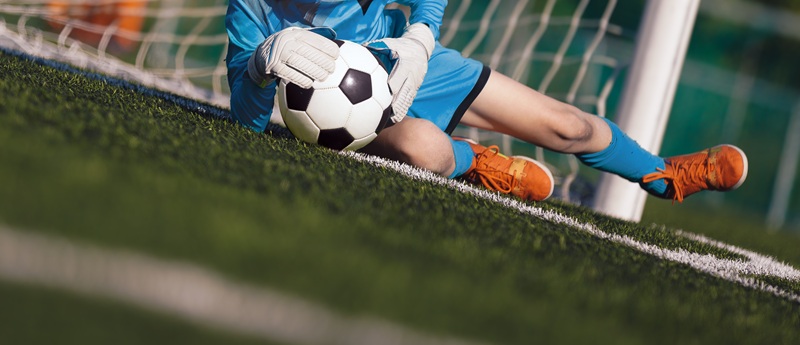
Sports injuries typically fall into two broad categories: acute injuries from a specific event, and overuse injuries that build up over time.
Acute Injuries
These happen suddenly—often with a clear “moment” you can remember:
- Sprained ankles from cutting or landing awkwardly
- Knee ligament injuries (ACL, MCL, meniscus) from pivoting, jumping, or contact
- Shoulder dislocations or labral tears from falls or overhead movements
- Muscle tears in hamstrings, quadriceps, calves, or biceps
- Wrist and hand injuries from falls or impact
- Acute back and neck injuries from collisions or lifting
Typical signs:
- Sudden pain at the time of injury
- Swelling, bruising, and loss of function
- Joint instability or “giving way”
- Difficulty bearing weight or using the affected limb
These injuries need prompt evaluation to determine how serious they are and what level of treatment and protection is required.
Overuse Injuries
These develop gradually from repetitive stress, training errors, or inadequate recovery:
- Tendinitis and tendinopathy (Achilles, patellar, rotator cuff, elbow, wrist)
- Stress‑related bone pain and early stress injuries
- Shin pain from running or jumping
- Hip and groin pain in field sports, dancers, and lifters
- Persistent shoulder pain in swimmers, throwers, and lifters
Typical signs:
- Dull, aching pain that worsens with activity and improves with rest
- Stiffness or soreness at the beginning or end of workouts
- Decreasing performance or inability to progress training
- Pain that starts only with sport, then begins to affect daily activities
Ignoring overuse injuries often leads to more serious problems that take much longer to heal.
Why Early Sports Injury Care Matters
Many athletes try to “play through” pain or assume it will resolve with a few days off. That can be costly.
Getting evaluated early:
- Prevents minor injuries from becoming major tears or fractures
- Reduces time away from sport by matching treatment to the true severity of the injury
- Protects your long‑term joint health, especially knees, shoulders, and hips
- Helps you avoid compensatory injuries caused by changing your mechanics to protect painful areas
Our goal is not just to treat the immediate problem, but to protect your athletic future.
Our Team and Approach
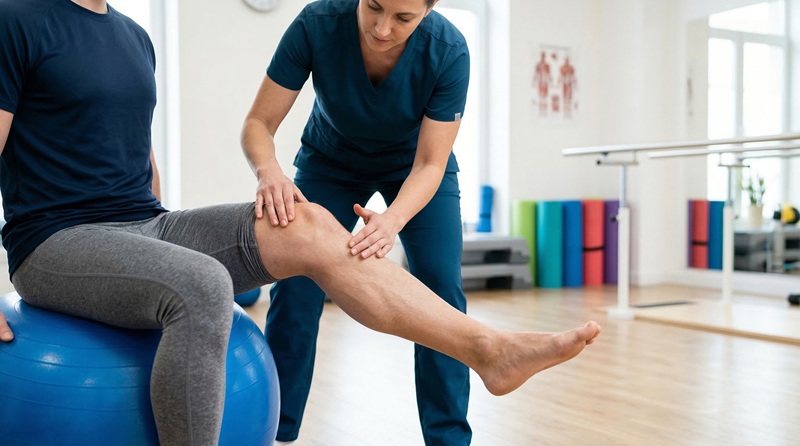
Sports injuries are rarely simple. They often involve muscles, joints, ligaments, nerves—and the mental side of being sidelined. That’s why we use a multidisciplinary approach:
- Pain management physicians for acute and subacute pain control
- Orthopedic surgeons for joint, ligament, and tendon injuries
- Spine surgeons for neck and back involvement
- Hand surgeons for wrist, hand, and finger injuries
- Neurosurgeons for complex nerve or brain injuries (including concussion)
- Psychiatrists and behavioral‑health specialists for stress, anxiety, and mood changes related to injury
Together, we focus on three core goals:
- Accurate diagnosis – understand exactly what’s injured and how serious it is.
- Effective treatment – relieve pain, restore function, and protect the healing tissues.
- Safe return to sport – build a stepwise path back to training and competition, not just to “daily life.”
What Happens at a Sports Injury Evaluation
Expect your visit to cover more than just “where it hurts.” We’ll look at how the injury fits into your overall athletic picture.
We typically:
- Review how the injury occurred (movement, position, sport context).
- Discuss your training history (volume, intensity, changes, surfaces, footwear or equipment).
- Examine motion, strength, stability, and pain in the affected area and related regions.
- Assess mechanics and movement patterns that may have contributed to the injury.
- Order imaging or additional tests when needed to clarify structural damage (such as significant tears, fractures, or nerve involvement).
From there, we outline your diagnosis and build a plan that makes sense for your sport and your goals.
Treatment Options for Sports Injuries
Treatment depends on the specific injury and your timeline, but often includes a mix of:
- Targeted rest and activity modification (what you should pause, what you can continue)
- Structured physical therapy and rehabilitation tailored to your sport
- Bracing, taping, or protective equipment when appropriate
- Interventional procedures (injections, nerve blocks) for pain and inflammation
- Advanced therapies to support tissue healing and performance (e.g., shockwave, regenerative options)
- Surgical evaluation when structural damage is too significant to manage conservatively
Throughout, we keep your sport and competition calendar in mind, balancing recovery speed with long‑term safety.
Return‑to‑Sport Planning
A true sports injury plan doesn’t end when your pain goes away—it ends when you’re back in the game safely.
We help you:
- Progress from basic movement to sport‑specific drills.
- Rebuild strength, power, endurance, and confidence.
- Address technique or training errors that contributed to the injury.
- Establish criteria for full return‑to‑play (not just “it feels better”).
This makes your comeback more predictable and less risky.
Frequently Asked Questions
Do I really need to see a specialist if I can still play?
If pain, swelling, instability, or decreased performance have been present for more than a few days, it’s wise to be evaluated. Playing through unresolved injuries often leads to bigger problems and longer time away later.
Is my injury from training too hard or from one wrong move?
Often it’s a combination. We’ll help you understand whether the main driver was a specific event, training volume/intensity, mechanics, or equipment—and adjust your plan accordingly.
Will I have to stop all activity until I’m healed?
Not usually. We aim to keep you as active as safely possible, often with modified training—cross‑training, lower‑impact options, or adjusted drills—while the injured structure heals.
What if I’ve already tried rest, ice, and basic home care?
If those haven’t resolved the problem, it’s likely that rest alone isn’t enough or that the injury is more significant than a simple strain. Evaluation lets us check for deeper structural issues and offer more targeted treatments.
How long will it take to get back to my sport?
It depends on the type and severity of the injury, how early it’s treated, and your overall health and conditioning. We’ll give you a realistic timeline once we’ve examined you and, if needed, reviewed imaging.
Can you coordinate with my coach or trainer?
With your permission, yes. Clear communication helps align practice, conditioning, and return‑to‑play decisions with your medical plan.
What if my injury is affecting my mood or motivation?
That’s common, especially for athletes whose identity is tied to their sport. Our behavioral‑health team can help you manage stress, anxiety, and mood changes so your mental recovery keeps up with your physical healing.
Take Sports Injuries Seriously—And Take Action
If your sport or training has started to hurt in ways that don’t go away—or if a single play, lift, or misstep changed everything—it’s time to get answers and a plan grounded in both sports medicine and pain science.