
Gym Injuries
Treatment for Weightlifting, Training, and Exercise-Related Pain
A gym injury can happen in one second—or build slowly over weeks of hard training. Whether you hurt yourself lifting, sprinting, doing circuits, or pushing through a workout that felt a little too ambitious, gym injuries deserve real attention. At Quantum Pain & Spine Injury, we help active people recover from acute exercise-related injuries so they can get back to training safely and confidently.
Who We Help
We treat people whose injuries happened during:
- Weightlifting and strength training.
- CrossFit and circuit training.
- Running, jumping, or agility work.
- Group fitness classes.
- Personal training sessions.
- Recreational sports performed in the gym setting.
- High-intensity interval training or bootcamp-style workouts.
You don’t need to be a competitive athlete to get a gym injury. A new program, poor form, fatigue, or one awkward rep can be enough to cause real damage.
Common Gym Injuries We See
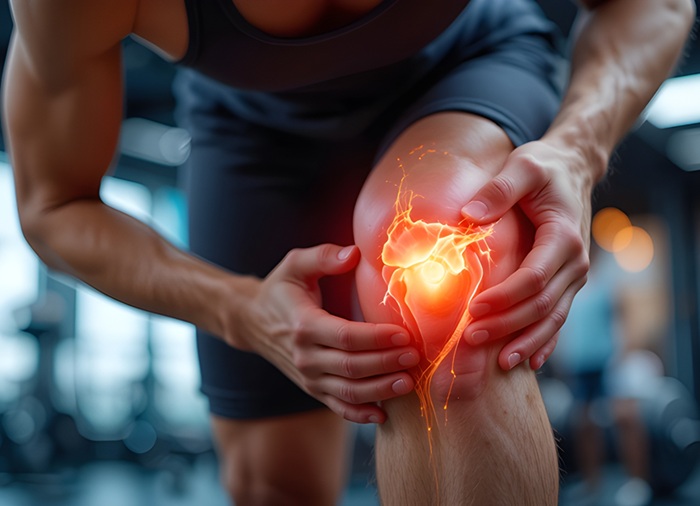
Gym injuries usually fall into two main patterns: sudden injuries and repetitive injuries.
Sudden injuries
These happen during a specific movement or rep:
- Back injuries during deadlifts, squats, or rows.
- Shoulder pain during pressing, snatching, or overhead lifting.
- Knee pain during jumping, lunging, or loaded squats.
- Wrist, elbow, or hand injuries from gripping, catching, or falling.
- Neck strain from bracing or jerking through a movement.
Typical signs include:
- A sharp pain at the moment something happened.
- A pop, pull, or “something felt off” sensation.
- Immediate weakness or loss of control.
- Swelling, stiffness, or reduced range of motion afterward.
- Pain that makes it hard to keep training normally.

Repetitive injuries
These develop gradually from repeated stress over time:
- Tendon irritation in the shoulder, elbow, knee, or Achilles.
- Low back pain from repeated loading.
- Hip pain from poor squat or hinge mechanics.
Overuse pain from doing the same movements too often. - Stress-related pain from ramping up too quickly.
These injuries often start as “annoying soreness” and slowly become the thing that keeps you from training.
Why Gym Injuries Happen
Most gym injuries are not random. They usually happen because the body is under more stress than it can handle at that moment.
Common reasons include:
- Adding weight, speed, or volume too quickly.
- Poor technique or movement mechanics.
- Fatigue from training too hard or too often.
- Skipping warm-ups or recovery.
- Returning after time off without rebuilding gradually.
- Muscle imbalances or weak supporting structures.
- Using equipment or movements that don’t match your current capacity.
A good training plan challenges your body. A bad one overwhelms it. The difference often shows up as pain.
Signs Your Gym Injury Needs Medical Attention
You should be evaluated if you notice:
- Pain that is sharp, persistent, or getting worse.
- Swelling, bruising, or visible deformity.
- Weakness that makes it hard to lift, push, pull, or stabilize.
- Joint instability or a feeling that something is “giving out.”
- Limited motion that does not improve after a few days.
- Pain that keeps returning every time you train.
- Numbness, tingling, or radiating pain into an arm or leg.
- Pain that is affecting sleep, work, or normal daily activity.
If you can’t train the way you normally do because of pain, that’s a sign something more than normal soreness may be going on.
What We Look At During Your Evaluation
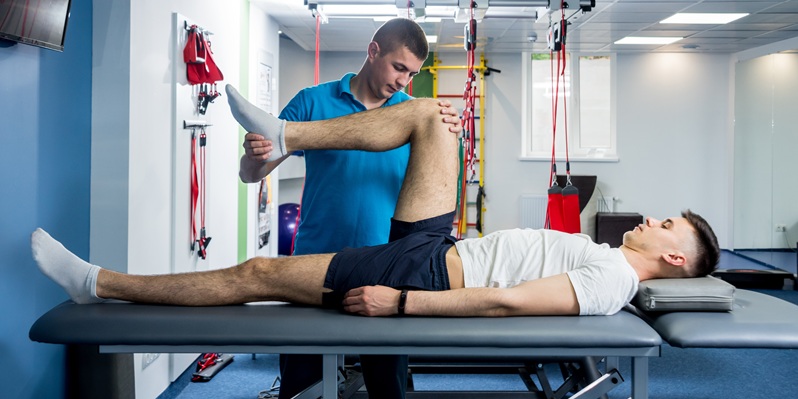
We focus on both the injury and the training pattern that caused it. That means we’ll ask about:
- What exercise or movement caused the pain.
- Whether the pain came on suddenly or gradually.
- How your training changed recently.
- Where the pain is located and what movements aggravate it.
- Whether you’ve had similar injuries before.
- How the injury is affecting your workouts and daily life.
We then examine:
- Strength and flexibility.
- Joint stability and movement quality.
- Tenderness, swelling, and range of motion.
- Nerve symptoms if present.
- Patterns of compensation that may be causing overload elsewhere.
If needed, we may order imaging or additional testing to determine whether there is a tear, fracture, or deeper structural injury.
Treatment Options for Gym Injuries
Treatment depends on what is injured, how severe it is, and what your return goals are.
Your plan may include:
- A short period of rest or training modification.
- Physical therapy focused on mobility, strength, and control.
- Supportive bracing or taping when appropriate.
- Pain management strategies for the acute phase.
- Injections for specific inflamed joints or soft tissues.
- Shockwave or regenerative therapies for stubborn tendon or soft-tissue injuries.
- A staged return-to-training plan based on what your body can handle.
The goal is not just to make the pain go away. It’s to restore function so you can train without re-injuring yourself.
Why “Training Through It” Can Backfire
A lot of gym-goers are used to pushing hard, and that mindset can be helpful in training. But with injury, pushing through pain can make things worse.
If you keep training on an injured structure, you can:
- Turn a minor strain into a bigger tear.
- Extend recovery time.
- Develop compensatory pain in another area.
- Lose confidence in the movement or exercise.
- Create a cycle of flare-up and setback.
Sometimes the smartest thing you can do for your training is pause, assess, and reset the plan.
Frequently Asked Questions
Is my pain just normal post-workout soreness or a real injury?
Normal soreness usually feels diffuse, improves over a couple of days, and does not cause major weakness or instability. An injury is more likely if pain is sharp, localized, getting worse, or interfering with motion and performance.
Do I need to stop working out completely?
Not always. In many cases, we can modify your training instead of shutting everything down. The right answer depends on the type of injury and what movements are safe.
Can I keep lifting if it only hurts a little?
That depends on the movement, the injury, and whether pain is changing your form. Pain that alters mechanics often means you’re risking a bigger problem. It’s better to get evaluated before continuing.
What if the pain started after a heavy lift but I didn’t feel anything snap?
That still could be a real injury. Many gym injuries don’t involve a dramatic moment. Symptoms may show up later as swelling, stiffness, weakness, or pain with specific movements.
How long does recovery usually take?
Recovery time varies widely. Mild strains may settle in weeks, while tendon, joint, or disc problems can take longer. Early evaluation helps give you a more accurate timeline.
Will you tell me when I can return to the gym?
Yes. Part of our job is helping you return safely. We’ll give you guidance on what to avoid, what to modify, and how to progress back to full training.
Can gym injuries become long-term problems if I ignore them?
Yes. Repeated irritation can turn a small problem into chronic pain, joint damage, or repeated re-injury. Early care gives you the best chance at full recovery.
Get Expert Care
A gym injury doesn’t have to end your training. With the right diagnosis, treatment, and return plan, you can recover without giving up the activity you care about.