
PTSD & Anxiety After Injury
Emotional Recovery Matters Just as Much as Physical Recovery
An accident, fall, work injury, sports injury, or other traumatic event can affect far more than the body. Even after physical injuries begin to heal, some people continue to feel anxious, on edge, fearful, unable to sleep, or emotionally overwhelmed. Others relive the event through unwanted memories or nightmares, avoid driving or returning to the place where the injury occurred, or find that pain and stress are making each other worse.
At Quantum Pain & Spine Injury, we recognize that recovery after trauma may require both physical and behavioral-health care. Our team helps patients identify post-accident anxiety, acute stress reactions, and post-traumatic stress disorder (PTSD), then build a treatment plan that supports the whole person.
What is PTSD?
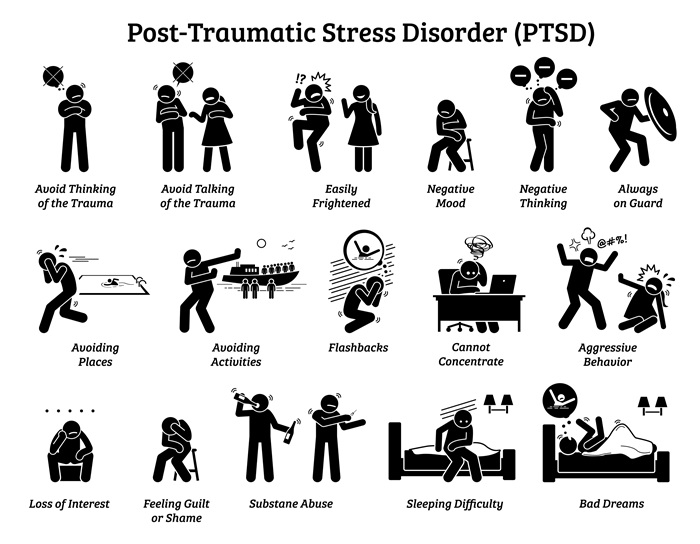
PTSD is a mental-health condition that can develop after experiencing or witnessing a traumatic event, including a serious car accident, violent incident, major fall, workplace injury, or severe medical event.
It is normal to feel upset, nervous, fearful, angry, or unable to sleep soon after trauma. For many people, these reactions improve over time. PTSD is different: symptoms persist for more than one month and interfere with daily life, relationships, work, sleep, or recovery. nimh.nih.gov
PTSD and injury: important statistics
Post-injury stress is common, and it is treatable.
- The National Institute of Mental Health estimates that 3.6% of U.S. adults experienced PTSD in the past year, while 6.8% experience PTSD at some point in their lifetime. nimh.nih.gov
- The American College of Surgeons reports that approximately 20% to 40% of injured trauma survivors experience high levels of PTSD and/or depressive symptoms during the year after injury. facs.org
- The World Health Organization estimates that 3.9% of the world’s population will experience PTSD at some point in life; risk varies based on the type and severity of trauma. who.int
These numbers show that anxiety and trauma symptoms after injury are not a sign of weakness. They are recognized health conditions that deserve compassionate, evidence-informed care.
Common Symptoms After An Injury or Accident
Trauma-related symptoms can affect thoughts, emotions, behavior, sleep, and the body.cdc.gov
Re-experiencing Symptoms
- Disturbing memories of the accident or injury.
- Flashbacks that feel as if the event is happening again.
- Nightmares related to the event.
- Intense emotional or physical reactions to reminders, such as sirens, traffic, loud noises, a workplace, or a gym.
Avoidance symptoms
- Avoiding driving, riding in a car, returning to work, exercising, or participating in activities connected to the injury.
- Avoiding conversations, feelings, people, places, or reminders of the event.
- Pulling away from friends, family, or activities you once enjoyed.
Changes in Mood and Thinking
- Anxiety, fear, sadness, anger, guilt, or irritability.
- Feeling detached, numb, or unable to experience positive emotions.
- Difficulty concentrating, remembering, or making decisions.
- Negative thoughts about yourself, others, or the future.
- Feeling unsafe even when you are no longer in danger.
Increased Alertness or Physical Stress
- Trouble falling asleep or staying asleep.
- Being easily startled.
- Feeling constantly watchful, tense, or “on guard.”
- Panic symptoms, racing heart, sweating, shaking, or shortness of breath.
- More pain, muscle tension, headaches, fatigue, or stomach upset during periods of stress.
Pain and anxiety can reinforce each other: pain can make sleep and mood worse, while chronic stress can heighten muscle tension and make pain feel more intense.
PTSD, Anxiety, and Car Accidents
Car accidents can be particularly distressing because driving, riding in vehicles, traffic sounds, intersections, and other everyday experiences may become reminders of the event. Symptoms may include:
- Fear of driving or riding in a car.
- Panic when approaching intersections, highways, or the crash location.
- Hypervigilance—constantly scanning for danger while driving.
- Nightmares or intrusive memories about the crash.
- Avoiding medical appointments, work, exercise, or daily errands because they feel overwhelming.
You can experience these symptoms even if the accident did not seem “severe” to others. What matters is how the event affected you.
When to Seek Help
Schedule a behavioral-health or psychiatric evaluation if, after an injury or traumatic event, you have symptoms that:
- Last longer than a few weeks or are getting worse.
- Interfere with work, school, sleep, relationships, driving, or daily activities.
- Cause you to avoid necessary medical care, driving, or returning to important activities.
- Include frequent panic attacks, nightmares, flashbacks, or intrusive memories.
- Make it hard to manage pain, attend rehabilitation, or follow your treatment plan.
- Include depression, hopelessness, substance use, or thoughts of harming yourself.
Get urgent help now
Call or text 988 in the United States for the Suicide & Crisis Lifeline, call 911, or go to the nearest emergency department if you or someone else has:
- Thoughts of suicide, self-harm, or harming another person.
- A plan or intent to act on those thoughts.
- Severe panic, confusion, agitation, or inability to stay safe.
- Symptoms that feel immediately unmanageable.
How we evaluate PTSD and anxiety after injury
A behavioral-health evaluation may include:
- A discussion of the injury or accident and how symptoms began.
- Screening for anxiety, depression, PTSD, sleep disruption, and post-concussion emotional symptoms.
- Review of pain, headaches, dizziness, medications, work status, and recovery barriers.
- Assessment of the ways trauma symptoms affect daily functioning and physical recovery.
- Coordination with your pain physician, rehabilitation team, surgeon, neurologist, primary-care clinician, attorney, or other care team members—with your permission.
Our goal is to create a safe, nonjudgmental setting where emotional symptoms are treated as a valid part of recovery.
Treatment Options
Care is tailored to your symptoms, medical needs, and preferences. Options may include:
- Trauma-informed psychiatric evaluation.
- Individual psychotherapy, including evidence-based trauma-focused therapies.
- Cognitive behavioral therapy for anxiety, sleep, pain coping, and return to activity.
- Medication management when appropriate for anxiety, depression, nightmares, sleep disruption, or other symptoms.
- Behavioral strategies for panic, relaxation, grounding, and stress-related muscle tension.
- Coordination with physical therapy, pain management, concussion care, and rehabilitation.
- A gradual, supported return to driving, work, exercise, and other meaningful activities.
Treatment does not mean forgetting the event. It means reducing the control that trauma-related symptoms have over your day-to-day life.
Frequently Asked Questions
Is it normal to feel anxious after an accident or injury?
Yes. Fear, stress, sleep changes, irritability, and heightened alertness are common in the days and weeks after trauma. Evaluation is appropriate when symptoms persist, worsen, or interfere with daily life.
How is PTSD different from normal stress after an accident?
Normal stress reactions often gradually improve. PTSD involves ongoing symptoms for more than a month, such as intrusive memories, avoidance, negative mood changes, and feeling constantly on guard, that disrupt daily functioning.
Can anxiety make physical pain worse?
Yes. Anxiety and stress can increase muscle tension, disrupt sleep, reduce activity, and heighten the body’s sensitivity to pain. Treating both physical pain and emotional distress can support better recovery.
Can PTSD happen after a “minor” accident?
Yes. The emotional impact of trauma varies from person to person. PTSD is based on your symptoms and how they affect your life—not on whether others believe the event was serious enough.
Will I need medication?
Not necessarily. Some people benefit most from therapy, coping strategies, and coordinated rehabilitation. Medication may be helpful for selected symptoms, including severe anxiety, depression, sleep disruption, nightmares, or panic.
Get Help Today!
If anxiety, fear, nightmares, sleep changes, panic, or unwanted memories are making it harder to recover after an injury, you do not have to manage them alone. Quantum Pain & Spine Injury provides integrated behavioral-health and pain care to help you address both the physical and emotional effects of trauma and move forward with greater confidence.