
Work Injury Care
Fast, Expert Help When Your Injured on the Job
Getting hurt at work can be overwhelming. One moment you’re doing your job; the next, you’re dealing with pain, lost time, and worries about your future. At Quantum Pain & Spine Injury, we specialize in acute musculoskeletal work injuries—from lifting and overexertion to falls, machinery incidents, and repetitive strain—so you can get evaluated quickly and start moving toward real recovery.
Whether your injury happened today or has been getting worse over weeks, our multidisciplinary team is here to diagnose the problem, treat your pain, and help you safely return to work and daily life.
Why You Should Be Seen the Same Day
A work injury is any physical or psychological harm caused or worsened by your job duties or workplace environment. These injuries can be sudden (acute) or develop gradually over time.
Common examples include:
- Lifting or pulling injuries
- Slip, trip, and fall incidents
- Falls from ladders, scaffolding, or platforms
- Strains from repetitive movements or awkward postures
- Impact injuries from equipment, tools, or machinery
- Vehicle‑related injuries on the job
- Workplace assaults or traumatic events
Even if your injury seems “minor” at first, it can lead to serious pain, loss of function, or long‑term problems if not treated properly.
Injuries We Specialize in Treating

Lifting and Overexertion Injuries
Jobs that involve lifting, carrying, pushing, or pulling heavy objects can strain muscles, ligaments, and discs—especially in the back, neck, and shoulders.
Common symptoms:
- Sudden or gradual lower back pain
- Sharp pain with bending or twisting
- Muscle spasms or tightness
- Pain radiating into buttocks or legs
- Difficulty standing up straight or changing positions
Our team evaluates for disc injuries, ligament strains, and nerve involvement, then creates a treatment plan that may include therapy, interventional procedures, and return‑to‑work modifications.
Slip, Trip, and Fall Injuries
Wet floors, cluttered walkways, uneven surfaces, and poor lighting can cause falls that injure multiple body regions at once.
Possible outcomes:
- Neck and back strains or disc injuries
- Shoulder injuries from reaching or bracing
- Knee and ankle sprains or tears
- Wrist and hand injuries from landing on outstretched arms
- Head injuries and concussions
We assess the full impact of the fall—including spine, joints, and concussion risk—so hidden injuries don’t go unnoticed.
Repetitive Strain and Overuse Injuries
Even “light” jobs can cause serious injuries when small movements are repeated all day.
Examples:
- Shoulder and neck pain from overhead work or computer use
- Wrist and hand pain from typing, tool use, or assembly tasks
- Elbow pain from lifting or repetitive gripping
- Lower back pain from prolonged standing or bending
Conditions may include tendonitis, bursitis, carpal tunnel syndrome, rotator cuff injuries, and chronic muscle strain. Early attention prevents these from becoming long‑term disabilities.
Machinery and Equipment Injuries
High‑force or high‑risk environments—construction sites, warehouses, manufacturing plants—can cause complex injuries.
Possible injuries:
- Crush or impact injuries to limbs
- Joint dislocations or fractures
- Deep soft‑tissue damage
- Nerve injuries and sensory loss
- Combined musculoskeletal and psychological trauma
We provide acute evaluation and coordinate advanced care (including orthopedic, spine, hand, and neurosurgical expertise) when needed.
Vehicle‑Related Work Injuries
Many workers are injured in company vehicles, delivery trucks, forklifts, or heavy equipment.
We treat:
- Neck and back injuries similar to car accidents (whiplash, disc injuries, radiculopathy)
- Shoulder, knee, and hip injuries from impact or awkward seating
- Concussions and post‑traumatic symptoms following workplace collisions
Our approach aligns with your work demands, helping you return safely to driving, operating equipment, or performing field work.
Our Multidisciplinary Team
Work injuries often affect more than one part of your body—and your life. That’s why we provide coordinated care from multiple specialists:
- Pain Management Physicians – Diagnose and treat acute and work‑related musculoskeletal pain using advanced interventional procedures.
- Orthopedic Surgeons – Address injuries involving bones, joints, tendons, and ligaments.
- Spine Surgeons – Treat serious neck and back injuries, disc problems, and spinal instability.
- Hand Surgeons – Manage wrist, hand, and finger injuries essential for fine motor work.
- Neurosurgeons – Evaluate complex nerve and brain injuries, including concussions.
- Psychiatrists & Behavioral‑Health Specialists – Support emotional recovery, stress management, and post‑traumatic reactions that often follow workplace incidents.
This team‑based model ensures your care is complete—not just focused on one body part or one symptom.
Our Providers

Trung Ha, M.D.

James Stanley, M.D.

Khawaja Ikram, D.O.

Katelyn Greene, PA-C

Truc Nguyen, PA-C

Stephanie Yianitsas, PA-C
What to Expect at Your Work Injury Evaluation
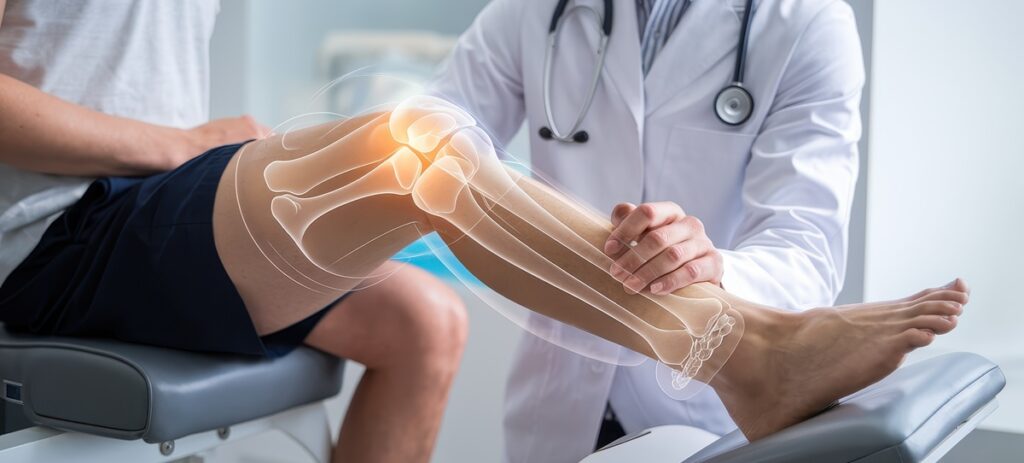
1. History and Work‑Related Context
We start by understanding:
- How the injury happened (lifting, fall, impact, repetitive task).
- Your job role and physical demands.
- Whether symptoms started suddenly or gradually.
- How pain and limitations affect your work and daily activities.
- Any prior injuries or conditions that may be interacting with your current problem.
2. Physical and Neurological Examination
Your clinician will assess:
- Range of motion and flexibility in affected areas.
- Strength, endurance, and functional movement.
- Areas of tenderness, swelling, or deformity.
- Nerve function (reflexes, sensation, motor power).
- Posture, gait, and body mechanics during typical tasks.
3. Diagnostic Testing When Needed
Depending on your findings, we may order:
- X‑rays for fractures and alignment issues.
- MRI for discs, ligaments, tendons, and soft tissues.
- CT scans for complex fractures or detailed bone injuries.
- Nerve conduction studies for suspected nerve damage.
- Concussion assessment tools for head injuries.
Our goal is to get you answers, not just a generic “sprain” or “strain” label.
Treatment Options for Work Injuries
Treatment plans are personalized, but they often include a combination of:
Conservative Care
- Activity modification and temporary work restrictions.
- Targeted medications for pain and inflammation (when appropriate).
- Bracing, splints, or supports for stability and protection.
- Physical therapy to restore strength, flexibility, and safe movement patterns.
Interventional Procedures
For more severe or persistent pain, our pain management physicians may offer:
- Joint injections (shoulder, knee, hip, wrist) for pain and inflammation.
- Epidural steroid injections for neck or back nerve pain.
- Facet joint injections and medial branch blocks for spine joint pain.
- Radiofrequency ablation for longer‑lasting relief of chronic joint and spine pain.
- Trigger point injections for muscle spasms and tension.
Advanced and Regenerative Therapies
- Shockwave therapy to stimulate healing in tendons and soft tissues.
- Biologic/regenerative treatments (e.g., PRP‑based approaches) to encourage tissue repair.
- Targeted neurorehabilitation for nerve and functional recovery.
Surgical Evaluation and Care
Surgical Evaluation and Care
When necessary, our surgeons can provide:
- Arthroscopic repair of joint injuries.
- Reconstruction of torn ligaments or tendons.
- Spine surgery for severe disc, nerve, or structural problems.
- Hand and wrist surgery for complex injuries.
We aim for the least invasive effective option, with careful consideration for your job demands and long‑term function.
Returning to Work Safely
Getting back to work is important—but how you return matters.
We focus on:
- Clear, written work restrictions (lifting limits, standing/sitting guidelines, movement or posture precautions).
- Graduated return‑to‑work plans, gradually increasing hours and responsibilities.
- Collaboration with your employer or case manager (when appropriate) to align duties with your recovery stage.
- Ongoing monitoring and adjustments as you regain strength and function.
The goal is not just to go back to work, but to stay at work safely without re‑injury or worsening your condition.
Frequently Asked Questions
Do I need to be evaluated even if my work injury seems minor?
Yes. Small injuries can worsen over time—especially if you continue working through pain. Early evaluation lets us determine whether simple measures will be enough or if more targeted treatment is needed.
What if my pain started gradually instead of from one event?
Gradual pain is often related to repetitive strain, posture, or load patterns. It’s still a work‑related injury, and we can diagnose and treat it just as carefully as a sudden accident.
Can I keep working while I’m being treated?
In many cases, yes—with modifications. We’ll recommend work restrictions or adjusted duties that protect your healing while allowing you to stay productive when possible.
Do you coordinate with employers or case managers?
When appropriate and with your consent, we can communicate with employers, case managers, or insurance representatives to clarify restrictions, treatment plans, and expected timelines.
What if my work injury involves both physical pain and emotional stress?
That’s common. We treat the whole picture—physical, neurological, and psychological—and coordinate care between your medical and behavioral‑health providers.
How long will it take to recover?
Recovery time depends on the type and severity of your injury, your overall health, and your job demands. We’ll give you a realistic timeframe and update it as you progress.
Is it too late to get help if I’ve been working in pain for months?
No. While earlier is better, we frequently help patients who’ve been struggling for months or longer. It’s always worth seeking evaluation and treatment to improve your quality of life and work capacity.
Take Action Today—Don’t Wait for Symptoms to Get Worse
If your job has left you in pain, limited your movement, or made you worry about your future, you don’t have to handle it alone.